City of Concord: Improving Special Event Coordination Across Departments

How the City of Concord streamlined communications, visibility, and permitting across internal teams and event organizers.
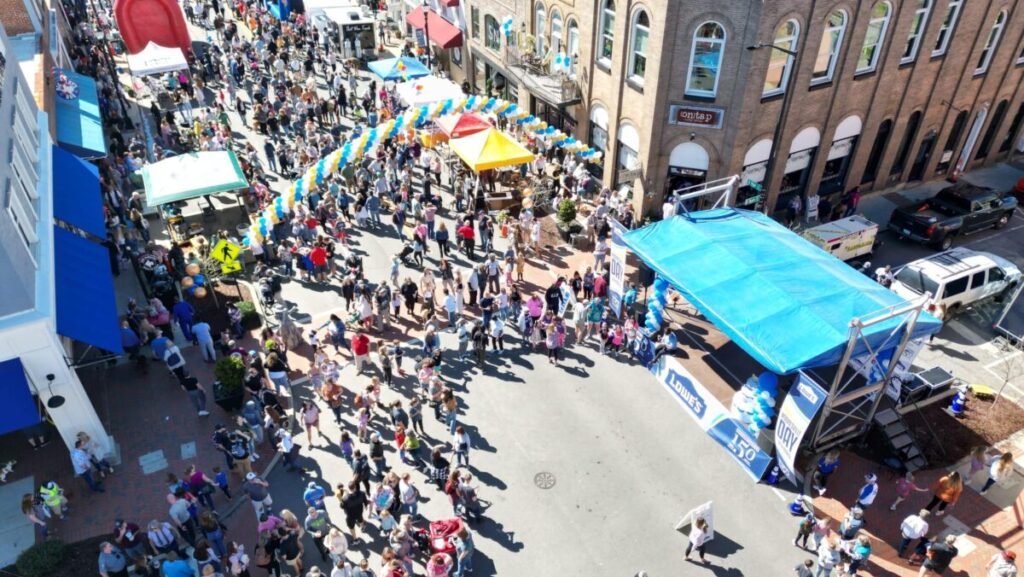
Special events bring communities together—from neighborhood festivals and cultural celebrations to city-sponsored gatherings.
Behind the scenes, however, managing those events requires coordination across multiple city departments responsible for public safety, transportation, parks, risk management, and operational oversight.
For many municipalities, the challenge is not simply processing permit applications—it is ensuring that all departments involved in reviewing and supporting an event are aligned, informed, and working from the same information.
Cities across the country are facing similar coordination challenges as event programs continue to grow in scale and complexity. The City of Concord, California, is one example of a municipality taking a closer look at how to streamline that process.
A Closer Look at Concord’s Approach
For the City of Concord, that responsibility falls to Lisa Roeber, who manages the city’s special event program while also organizing city-sponsored events. Like many cities, Concord operates with a small team responsible for overseeing a complex and highly collaborative event coordination process.
Each special event application requires review from multiple departments depending on the event’s scope—ranging from police and fire to public works, parks, risk management, and transportation. Coordinating these reviews requires clear communication, defined workflows, and visibility across all stakeholders.
Three years ago, the City of Concord implemented Eproval, a purpose-built special event permitting solution designed to support coordination across multiple departments.
“Before implementing Eproval, coordinating reviews across departments required a tremendous amount of manual follow-up,” says Lisa Roeber, Special Events Program Manager for the City of Concord. “Now everyone involved in the review process can see exactly where an application stands. Departments communicate directly to the applicant and with one another within the system, and nothing falls through the cracks.”
Eproval helps improve transparency and efficiency for internal stakeholders. Department reviewers receive notifications when applications require their input, and all comments, conditions, and approvals are documented in a single location.
This shared visibility strengthens collaboration across departments, ensuring that everyone involved in the permitting process has access to the same information at the same time.
Improving the Experience for Event Organizers
Event organizers have also seen meaningful improvements to the application experience.
Applicants can submit permit applications online and track the status of each section of their review 24 hours a day, providing greater transparency into the process. The application itself serves as a planning tool, guiding organizers through important operational considerations such as safety planning, insurance requirements, and logistical coordination.
One feature organizers particularly value is the ability to duplicate previously approved applications. Many community events occur annually with similar logistics, allowing applicants to copy a prior application and simply update details such as dates or insurance certificates.
“Event organizers love the ability to duplicate past applications.. It saves a tremendous amount of time and makes the process much easier for recurring events.”
– Lisa Roeber, Special Events Program Manager for the City of Concord
The improved process has also influenced when applications are submitted. Concord is now seeing many event applications arrive earlier, allowing city departments to identify potential conflicts related to construction schedules, staffing availability, or other operational considerations well in advance.
Supporting Coordination in the Field
The benefits of the system extend beyond the application process itself.
Because the platform is mobile-friendly, city staff working in the field can quickly confirm whether specific activities—such as amplified sound, food vendors, or road closures—were approved as part of the permit. This ensures that everyone involved, from city staff to event organizers, are working from the same information in real time.
“Special event permitting isn’t just about issuing permits,” says Jonathan Thompson, CEO and Managing Director of Eproval. “It’s about enabling cities to coordinate complex operational activities across multiple departments while providing event organizers with a clear and predictable process.”
For Concord, the results extend beyond administrative efficiency. The platform has strengthened communication across departments and improved transparency for event organizers, helping the city manage its event program with greater coordination and confidence.
As cities continue to navigate increasingly complex event environments, Concord’s experience highlights how purpose-built solutions can support better coordination, clearer communication, and more successful community events.